Chicago's Black Belt
Native SonChicago's Black Belt is a densely built district of Black life in Chicago, presented through a drive along Indiana Avenue and a tense encounter between Bigger Thomas, Mary Dalton, and Jan Erlone. The neighborhood’s tall apartment buildings make visible a community Mary has never entered, even though it lies only blocks from her own world; crossing it exposes the distance between physical proximity and social understanding.
Setting and Route
Jan Erlone turns west from the Outer Drive at Thirty-first Street, reaches Indiana Avenue, and drives south toward Ernie's Kitchen Shack, at Forty-seventh Street and Indiana. Bigger wants to arrive quickly so he can stretch his cramped, aching legs while they eat. As the car moves through Chicago's Black Belt, tall apartment buildings rise on either side, holding what the narration describes as Black life. The route gives the district a concrete urban scale: it is encountered from a moving car, along a named avenue and toward a specific destination.
The Encounter in the Car
Mary Dalton tells Bigger that she has long wanted to enter the neighborhood’s apartment buildings and see how Black residents live. Although she has traveled to England, France, and Mexico, she says she has never been inside a Black home, despite living only ten blocks away. She expresses a desire to know the people around her and recognizes their shared humanity, but her admission also reveals how thoroughly the nearby community has remained outside her experience.
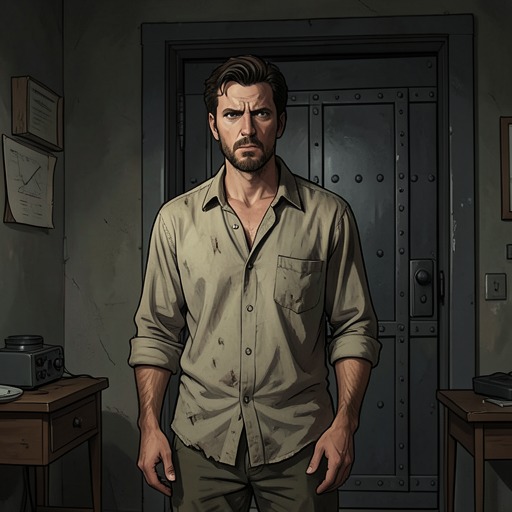
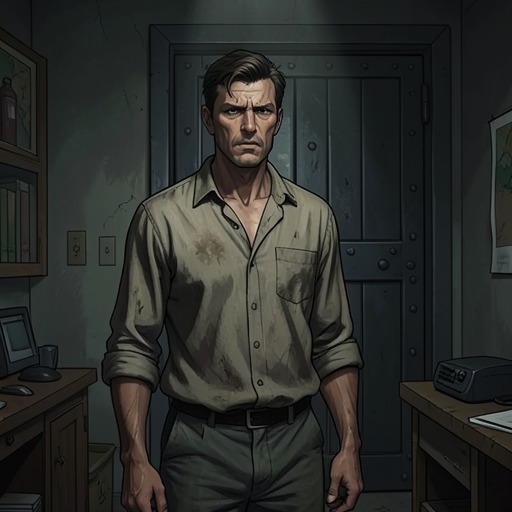
Bigger is acutely conscious of being seated between two white people as the car passes through the district. He imagines that Jack, Gus, and G.H. would tease him if they saw him in this situation. Mary’s attention to the buildings and to Black life intensifies his discomfort: he feels that the passengers are making him an object of thought and resents being left to bear their scrutiny. The same journey that Mary frames as an effort to overcome ignorance therefore becomes, for Bigger, an experience of pressure and alienation.
Racial Separation and Social Distance
The scene sets geographical nearness against profound social unfamiliarity. Mary’s home is only ten blocks from the Black residents she wants to understand, yet she has never entered one of their homes. Her stated curiosity acknowledges that separation, but it does not erase the imbalance between the white visitors who can enter or leave the district and the Black life they observe from the car. Bigger’s response supplies a contrasting perspective: he does not experience their attention as uncomplicated solidarity, but as another demand placed upon him.
Place in the Novel’s Larger Significance
The district’s apartment buildings are more than scenery in this passage: they frame the encounter between curiosity and enforced distance. Later critical discussion of Native Son notes that the novel appeared increasingly accurate and prophetic to readers in the 1960s, amid the Black Power movement and a rise in violent crime in American cities, especially among young Black men. That reception concerns the novel’s broader portrait of racial conditions rather than establishing a separate history of the neighborhood; the Black Belt scene contributes to that portrait by showing how segregation shapes both where people live and how little they know of one another.